Efficient Commercial Window Washing for a Polished Look
Efficient commercial window cleaning plays an important role in a company's overall impression. Clean windows not only enhance aesthetic appeal but also contribute to a positive work atmosphere. Regular maintenance can prevent long-term damage and enhance natural light intake. Choosing the right approaches and products is crucial. However, many businesses miss the best practices related to this significant task. Understanding these nuances can make all the difference in achieving that polished look. What steps should be taken next?
The Role of Clean Windows in Your Business's Advancement
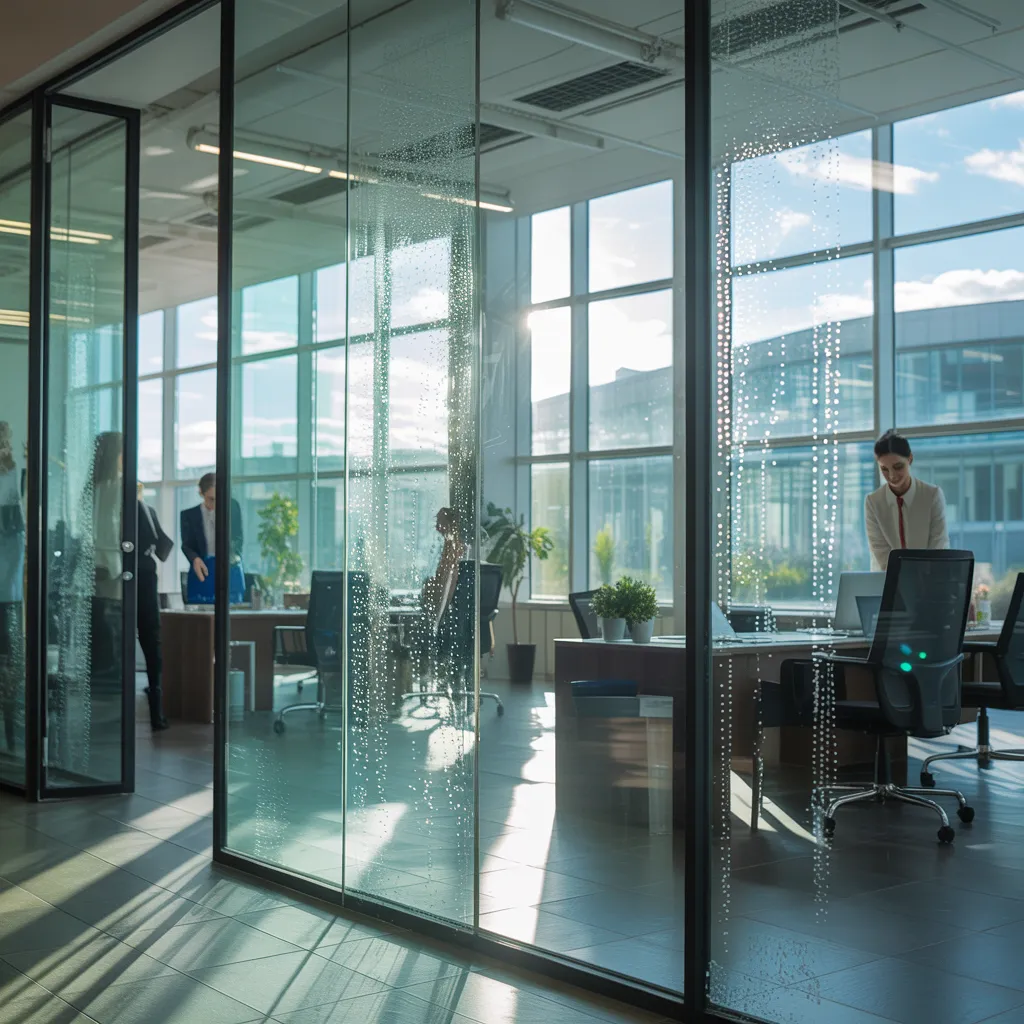
Clean windows significantly improve a business's professional image. They function as a reflection of a company's principles, demonstrating careful consideration and dedication to excellence. Customers are more likely to have confidence in a business that maintains a clean exterior, as it indicates an well-structured and efficiently managed operation. Additionally, clean windows allow sunlight to flood the interior, creating a welcoming atmosphere for both employees and guests. This enhanced environment can lead to higher employee morale and greater client contentment.
In addition, the aesthetic condition of a firm can shape customer perceptions, affecting their inclination to step inside or engage the business. Regular window cleaning not only elevates the aesthetic charm but also preserves the glass from cumulative harm brought on by dirt and grime. Ultimately, committing resources to professional window cleaning services can meaningfully advance a business's success, fostering a positive perception that engages clientele and strengthens customer devotion.
Select the Appropriate Window Maintenance Process
Picking the correct window cleaning method is crucial for producing the best outcomes. Various methods serve different classes of buildings and their window states. Traditional methods, including squeegees and buckets, are effective for smaller structures and can provide a deep clean when carried out by skilled professionals. However, for high-rise buildings, advanced methods such as water-fed poles and aerial lifts are vital to guarantee safety and efficiency.
Additionally, the choice of cleaning agent plays an vital factor. Some approaches employ chemical cleaners, while others may rely on deionized examination water technology to prevent spots and buildup. Each method has its advantages based on the particular requirements of the commercial space. Ultimately, evaluating factors such as glass variety, elevation, and weather factors will direct businesses in choosing the most suitable window cleaning method, ensuring a polished and professional look that reflects their company's reputation.
Eco-Friendly Commercial Window Washing Solutions
As companies emphasize more sustainability, eco-conscious window cleaning techniques are gaining traction in the commercial field. These approaches utilize sustainable cleaning agents that minimize environmental impact while effectively removing grime and dirt. Businesses are moving toward natural ingredients such as vinegar, baking soda, and plant-based soaps, which pose reduced health concerns to employees and clients alike.
Likewise, green practices often feature water-saving techniques, like using advanced filtration systems that reduce water consumption during the cleaning process. Microfiber cloths and reusable squeegees have also become popular, as they limit waste and enhance cleaning efficiency.
In addition, numerous commercial window cleaning services now offer green certifications, guaranteeing clients of their commitment to environmentally responsible practices. By adopting these eco-friendly solutions, businesses can not only preserve their premises but also make a positive impact to the environment, matching growing consumer preferences for sustainable practices.
What Frequency is Best for Washing Your Windows?
Determining how frequently you should clean windows is important for upholding a business-like image. Seasonal recommendations typically suggest cleaning at least four times a year, yet environmental factors may impact this plan. Businesses need to evaluate area-specific factors, including allergen counts and pollution, when establishing their cleaning routine.
Seasonal Housekeeping Suggestions
Maintaining clear and spotless windows strengthens both the look and durability of a structure. Cleaning routines depend on geographic location and climate. In places experiencing heavy rain or snow, windows require at least every quarter to eliminate grime and dirt. In contrast, areas with warmer weather may require cleaning twice per year. Spring and fall are perfect for thorough cleaning, as they match up with reduced outdoor debris. Also, organizations consider cleaning in response to significant weather events, including storms, to address any fresh pollutants. An ongoing cleaning schedule preserves the visual quality of windows while also avoids potential damage stemming from residue buildup. Ongoing care fosters a welcoming setting for customers and employees alike.
Environmental Influences Worth Considering
The routine of window cleaning not only enhances a building's appearance but also involves environmental impacts that require consideration. The regularity influences water use, energy consumption, and the type of cleaning products selected. Usually, commercial windows need cleaning every 4 to 6 months, based on the surrounding environment. City areas with more dust and pollution might need more frequent cleaning, whereas areas with less exposure can lengthen intervals. Furthermore, using eco-friendly cleaning solutions reduces chemical runoff, promoting better water quality. Applying efficient cleaning techniques decreases waste and fosters sustainability. Businesses should periodically review their cleaning timelines to balance visual appeal with ecological responsibility, ensuring a polished look without compromising environmental health.
Important Implements for Successful Window Cleaning
Professional window cleaning requires a specific set of tools to accomplish ideal results. Important equipment include squeegees and scrubbers, sustainable cleaning agents, and critical safety gear. Each tool plays an important role in ensuring both productivity and safety during the cleaning process.
Wiping tools and Scrubbers
While numerous tools aid in the art of window cleaning, squeegees and scrubbers prove to be essential implements for reaching a flawless, streak-free result. Squeegees, with their rubber blades, deliver a rapid and productive means to clear water and cleaning solutions from glass surfaces. Their design provides peak control, decreasing the chances of streaking. Meanwhile, scrubbers include absorbent pads that efficiently extract dirt and grime before the squeegee makes its pass. The mix of these tools guarantees a deep cleaning, enhancing both the efficiency and quality of the window cleaning process. Proper technique—using a consistent angle and applying adequate pressure—further maximizes their effectiveness, making them crucial in any commercial window cleaning endeavor.
Environmentally Conscious Sanitation Solutions
The selection of cleaning agents greatly influences the window cleaning process, particularly in corporate environments where sustainability is a growing concern. Environmentally friendly cleaners not only minimize environmental harm but also enhance better air quality indoors. These biodegradable products often include organic components that effectively eliminate dirt and grime without creating toxic buildup. Additionally, many eco-friendly cleaners are devoid of harsh chemicals, making them safer for both workers and occupants of the building. By opting for these eco-conscious options, companies can improve their business reputation and demonstrate a dedication to ecological stewardship. Moreover, utilizing sustainable cleaners can result in less waste generation, as many come in concentrated formats or recyclable packaging, aligning with broader sustainability goals.
Important Safety Gear Components
Safety gear is a necessary part of commercial window cleaning, providing the protection of workers as they execute their tasks at varying heights. Essential items include harnesses and lanyards, which prevent falls while working on ladders or suspended platforms. Hard hats guard against falling debris, while safety goggles protect eyes from splashes and dust. Non-slip footwear is paramount for maintaining traction on wet surfaces. Additionally, gloves offer grip and protect hands from harsh cleaning chemicals. High-visibility vests are important in urban environments, making workers more noticeable to pedestrians and traffic. By equipping employees with the appropriate safety gear, companies can minimize risks and promote a secure working environment, ultimately enhancing efficiency and professionalism in window cleaning operations.
Steps to Determine the Best Window Cleaning Service
How can one make certain they find the superior window cleaning firm? Begin with, detailed examination is crucial. prospective customers should review comments and testimonials to assess customer satisfaction. Validating the business credentials, such as insurance and licenses, confirms competence and security. Furthermore, getting numerous bids allows for review of pricing and offered services.
Subsequently, consider the company's proficiency and specialization. A service that serves commercial properties may be more qualified to address larger buildings and complex needs. Inquire into the cleaning methods and solutions used, choosing ecological options when possible.
Finally, assess customer service. A responsive and communicative team demonstrates a dedication to customer contentment. By following these steps, businesses can confidently choose a window cleaning service that fulfills their requirements and enhances their building's visual appeal.
Speedy Guidelines for Maintaining Your Windows Between Cleanings
Keeping windows maintained between professional cleanings can significantly contribute their clarity and lifespan. Regular upkeep prevents the accumulation of dirt and streaks, ensuring a consistently polished appearance. One effective method is to use a soft cloth or microfiber towel for weekly window wiping to remove dust and fingerprints. For outdoor care, a gentle water rinse can dislodge airborne debris without scratching the glass.
Moreover, blending vinegar and water represents an effective way to get rid of smudges. Applying this mixture with a squeegee helps create a streak-free finish. It is equally important to monitor window frames and seals frequently for signs of deterioration or wear, since these can influence overall window performance. Through employing these basic approaches, businesses can keep their windows' appearance and functionality, extending the time between professional cleanings while promoting a beautiful environment.
Frequently Requested Questions
What Are the Benefits of Professional Window Washing Versus DIY Approaches?
Expert window cleaning delivers expertise, state-of-the-art equipment, and protective procedures, ensuring a detailed job. It conserves effort and resources as opposed to DIY methods, yielding streak-free, pristine windows that enhance property aesthetics and durability.
Is it Feasible for Glass Cleaning Services to Align with My Business Hours?
Several window cleaning services provide adaptable time slots, enabling them to work around business hours. This flexibility assures reduced disruption to operations while upholding a immaculate look for commercial properties, meeting the particular requirements of each business.
In What Ways Do Weather Conditions Affect Window Cleaning Schedules?
Weather conditions greatly influence window cleaning schedules. Precipitation, gusty winds, and severe weather can impede visibility and safety, causing service providers to adjust appointments. Professionals typically track forecasts to ensure ideal conditions for effective cleaning and customer satisfaction.
What Safety Standards Do Window Cleaners Maintain?
Window cleaners implement various safety measures, including harnesses, helmets, and non-slip footwear. They also use safety ropes and guardrails, ensuring secure access to heights while following industry regulations to prevent accidents and injuries.
What Distinct Regulations Control Window Cleaning in Business Buildings?
Yes, specific regulations govern window cleaning in commercial buildings, focusing on safety standards, equipment usage, and worker training. Compliance with these regulations ensures the safety of both workers and the public during cleaning operations.